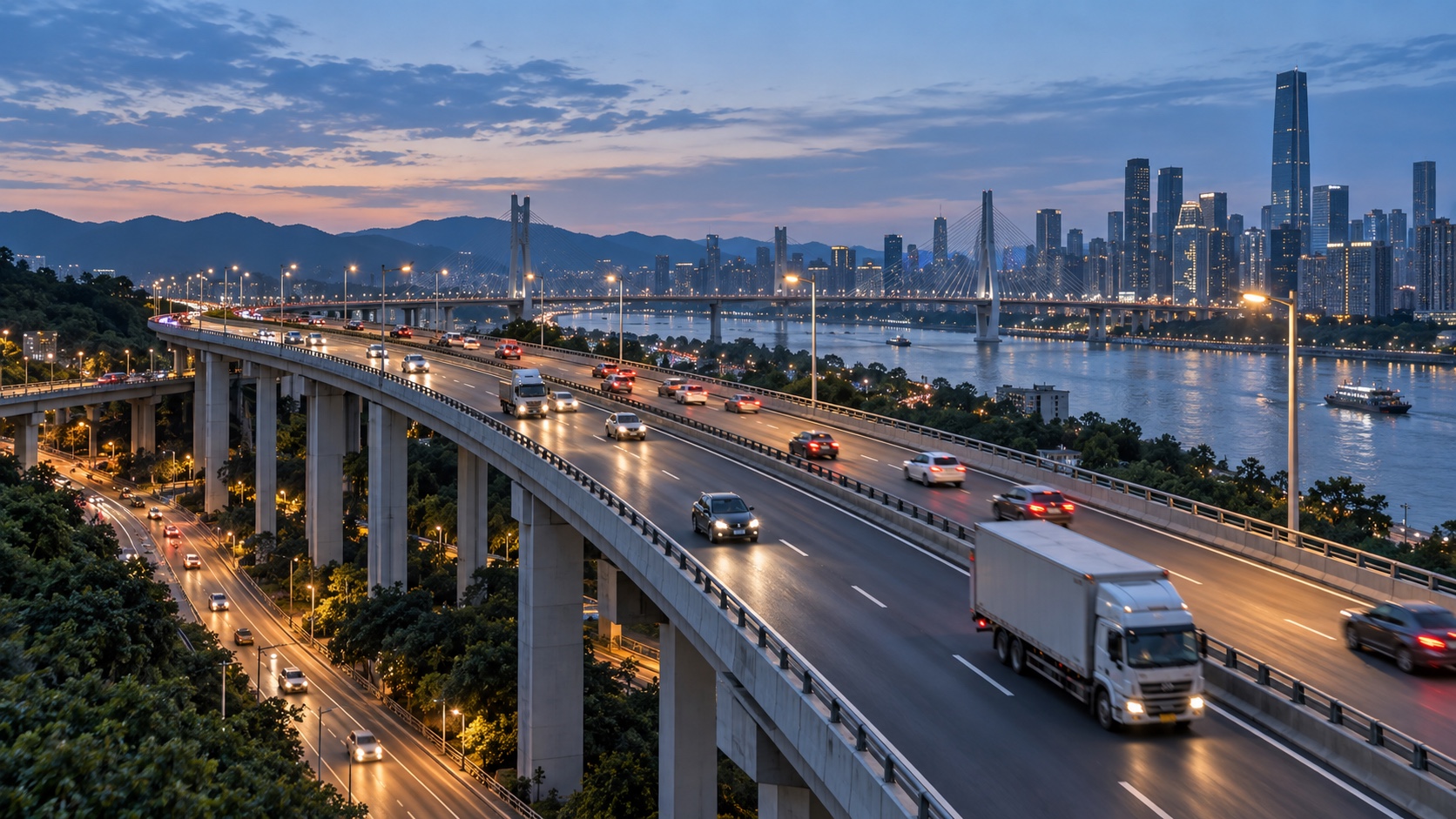
Each capability is a chapter in the same story: observe physical change, understand its mechanism, reason with evidence, and support better decisions.
01
Observe
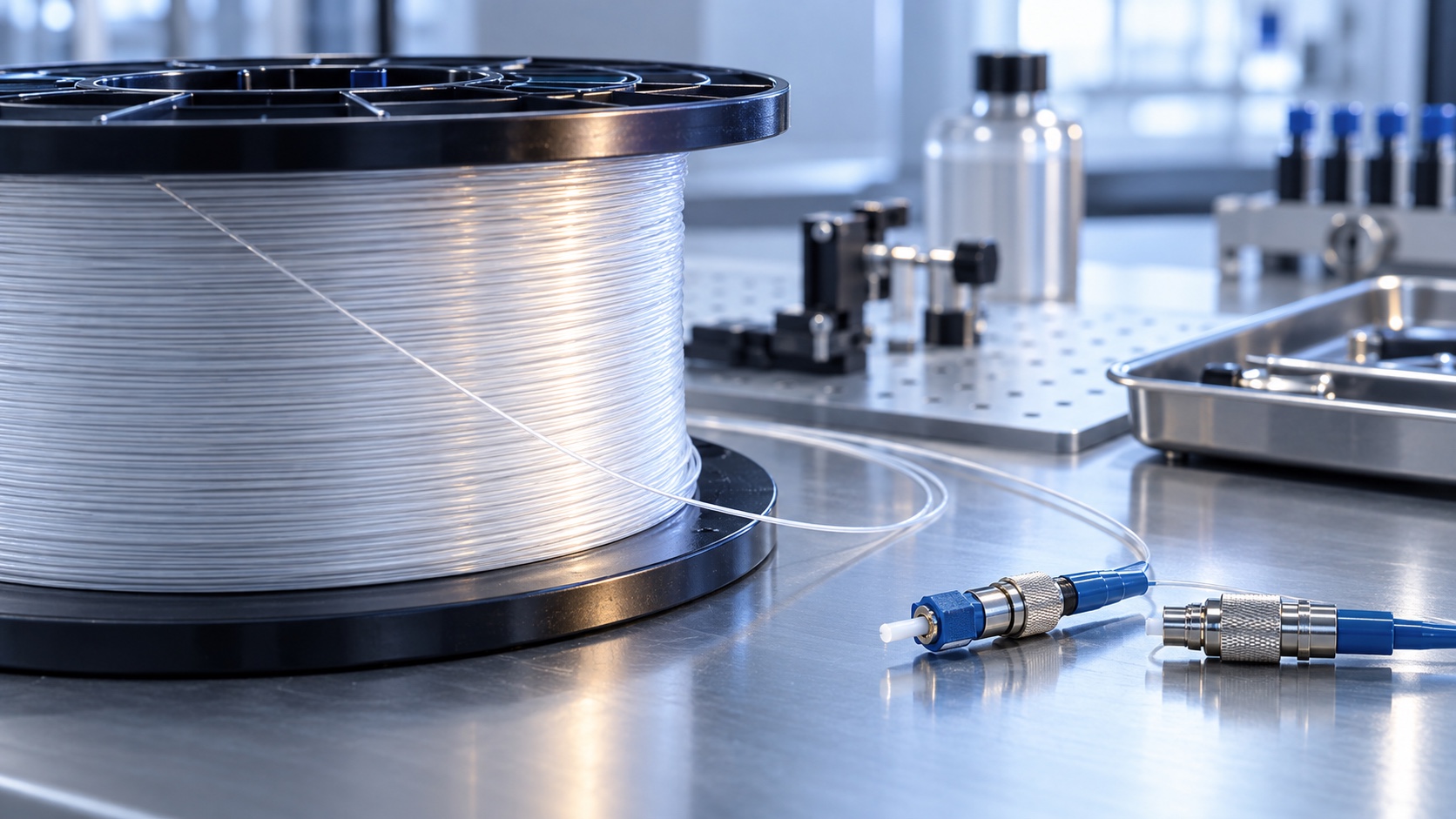
Distributed acoustic sensing and seismic arrays transform long fibers and dense sensors into spatially continuous measurements.
02
Understand
Physics-based modeling links vibration, strain, deformation, fractures, and wave propagation to the processes that create them.
03
Reason
Scientific computing and AI organize validated tools, interrogate complex data, and communicate traceable interpretations.
04
Act
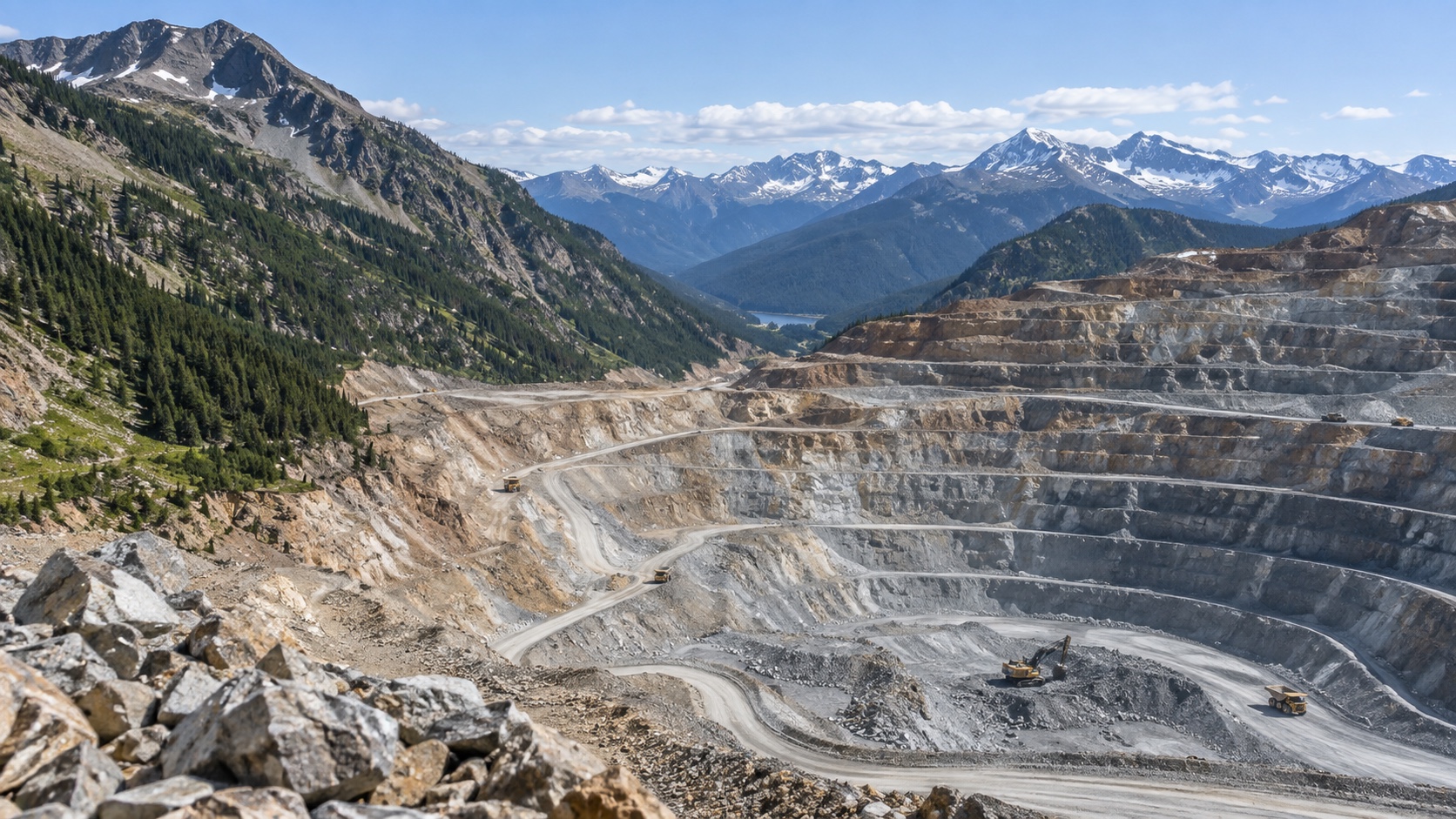
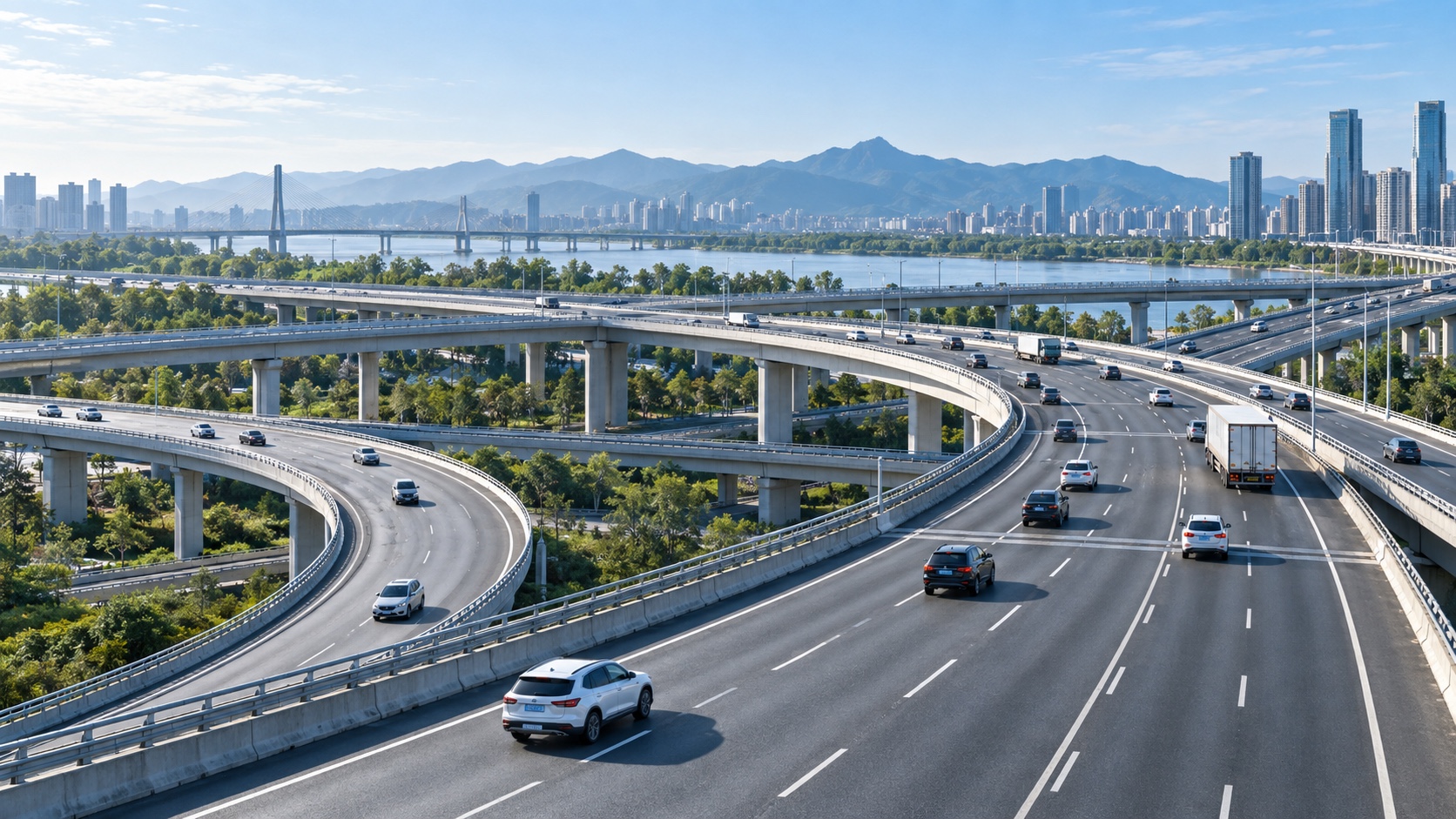
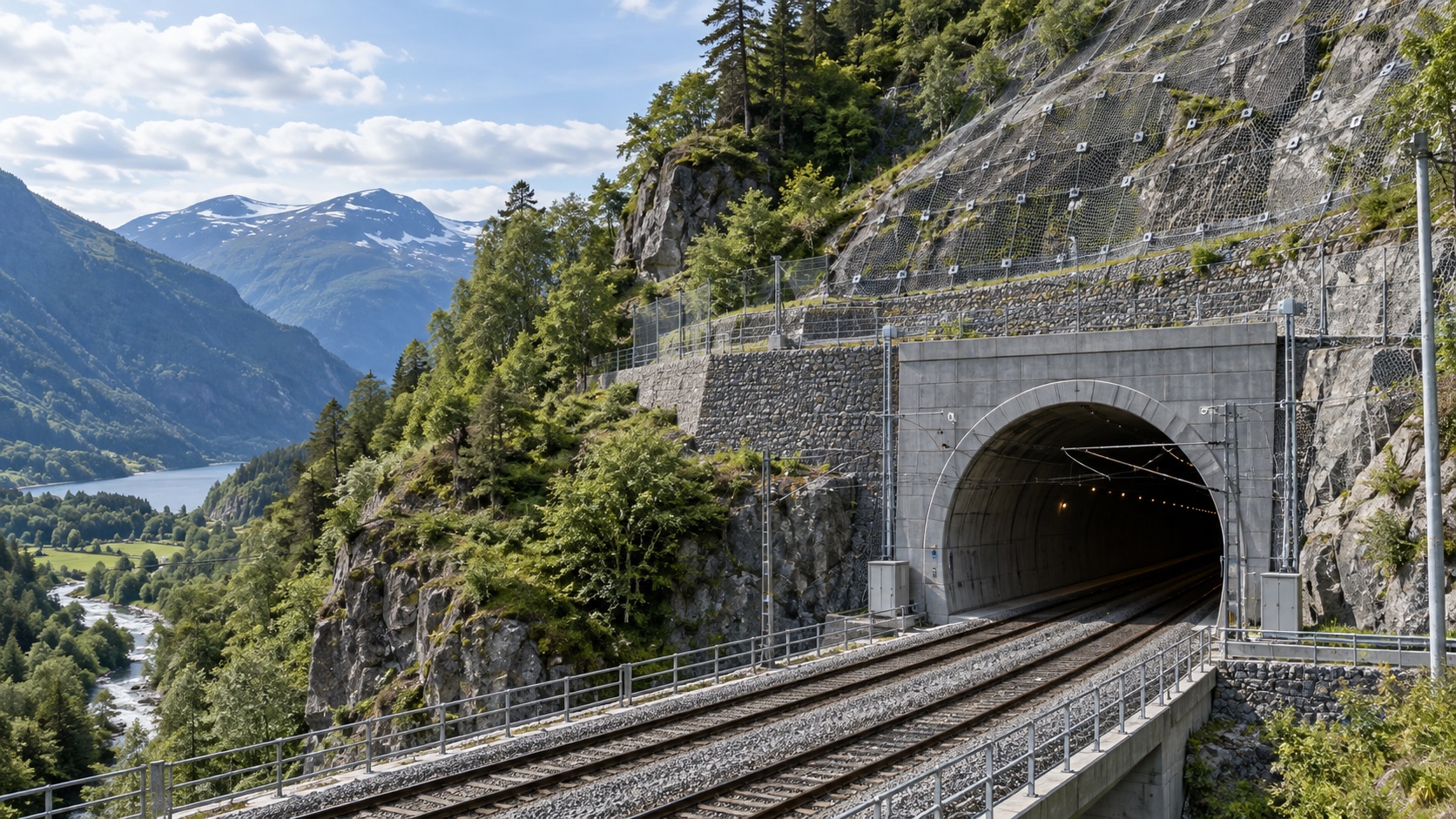
Monitoring systems carry research into energy, infrastructure, hazards, transportation, and environmental observation.
04 / A GRAND CHALLENGE
Humanity can only understand what it can observe.
I build observation systems that connect dense sensing, physical models, and AI to explain change in the physical world.
I believe the future of geoscience will be driven by the integration of physics, sensing, computation, and AI.
05 /
Future scientific infrastructure
Exploratory ideas for moving from intelligent instruments to more open, reproducible, and verifiable science.
FROM INTELLIGENT OBSERVATION TO TRUSTED COLLABORATION
01
AI for Scientific Discovery
Scientific agents that connect observations, physical models, validated algorithms, and human judgment—accelerating discovery without hiding the evidence trail.
02
Decentralized Science (DeSci)
New ways to organize open collaboration, reproducible workflows, shared scientific resources, and transparent recognition of contributions.
03
Blockchain-enabled research trust
Tamper-evident provenance for data, models, versions, and decisions—used where verifiability adds real scientific value, not as a technology slogan.
These are forward-looking research questions, not claims of deployed production infrastructure.
06 /
Selected publications
Peer-reviewed articles and a selected conference contribution. Available author copies can be downloaded directly; the site records aggregate download totals only.
Article
Advances in the spatiotemporal characteristics and mechanisms of earthquake static and dynamic triggering
I am a postdoctoral researcher in Geophysics at Colorado School of Mines. My work connects distributed fiber-optic sensing, seismology, geomechanics, scientific computing, and AI to challenges in geothermal energy, infrastructure resilience, transportation, and environmental observation.
My aim is not simply to collect more data. It is to develop trustworthy ways of observing the physical world, explaining what those observations mean, and translating them into knowledge that can improve safety, sustainability, and scientific understanding.
Colorado School of MinesPostdoctoral research in DAS, geothermal monitoring, and reservoir characterization
Southern University of Science and TechnologyPostdoctoral research and intelligent transportation / urban geophysics collaboration
IsTerre, Grenoble, FranceJoint doctoral program in geophysics; interseismic deformation modeling
Peking UniversityPhD in Geophysics; earthquake mechanics and deformation modeling
Peking UniversityBS in Geophysics; mountaineering leadership and field exploration
09 / CONTACT
Let’s build better ways to observe the physical world.
I welcome conversations about research collaboration, industry partnerships, consulting, scientific communication, and future opportunities.